01
Long-range drones
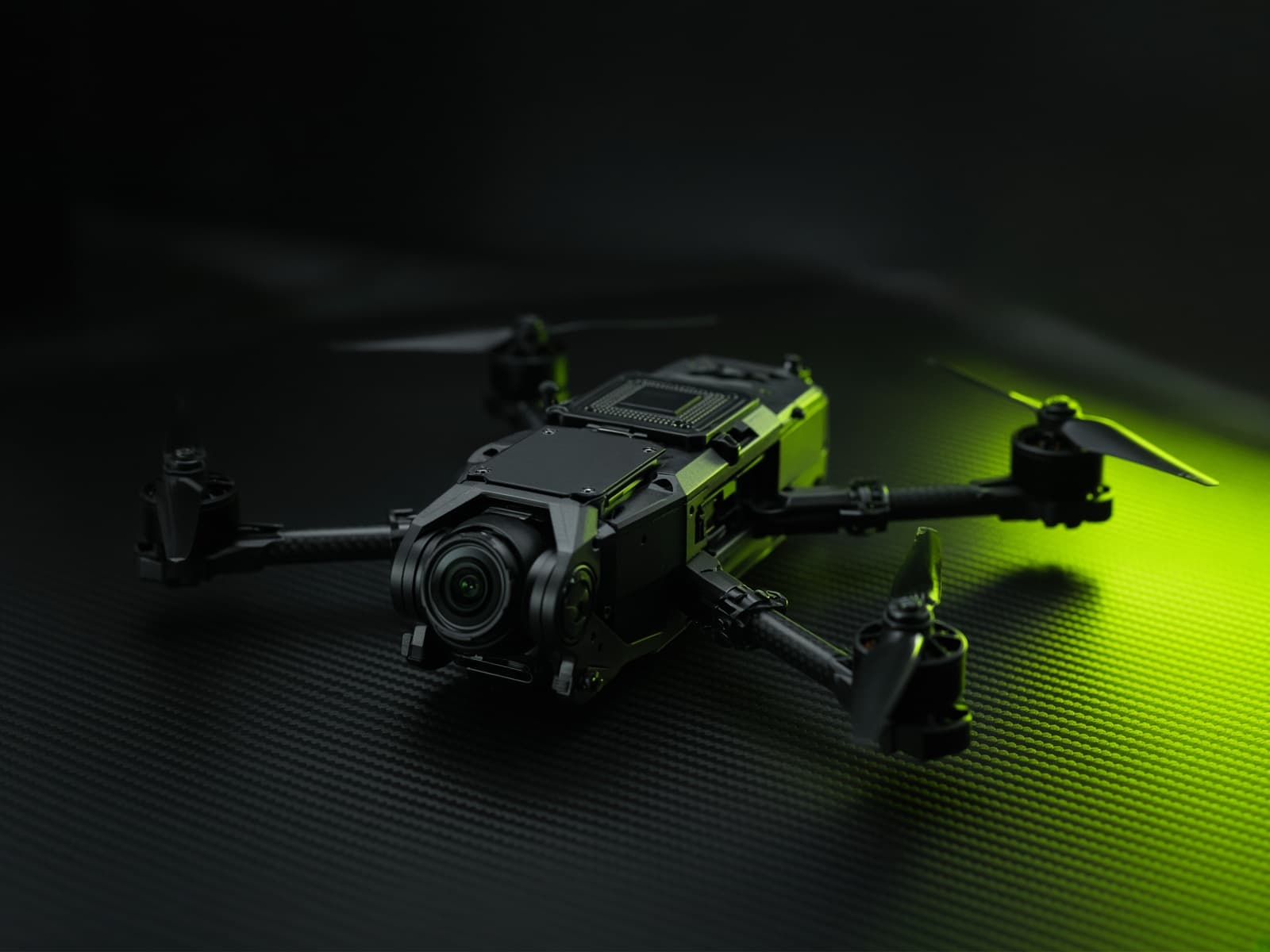
A drone can make its own decisions in flight, even when the link back to base drops. It sends home the result, not hours of raw data.
Aercrist
Ten to a thousand times efficiency gains over general-purpose processors.
We co-develop each chip with you, from a prototype board to a custom chip you own.
01What we build
We develop the sensing, the algorithms and the chip together, and bring them into a module or device that does one job on your machine.
02Where it runs
A custom chip fits wherever a machine has to decide on its own, on very little power.
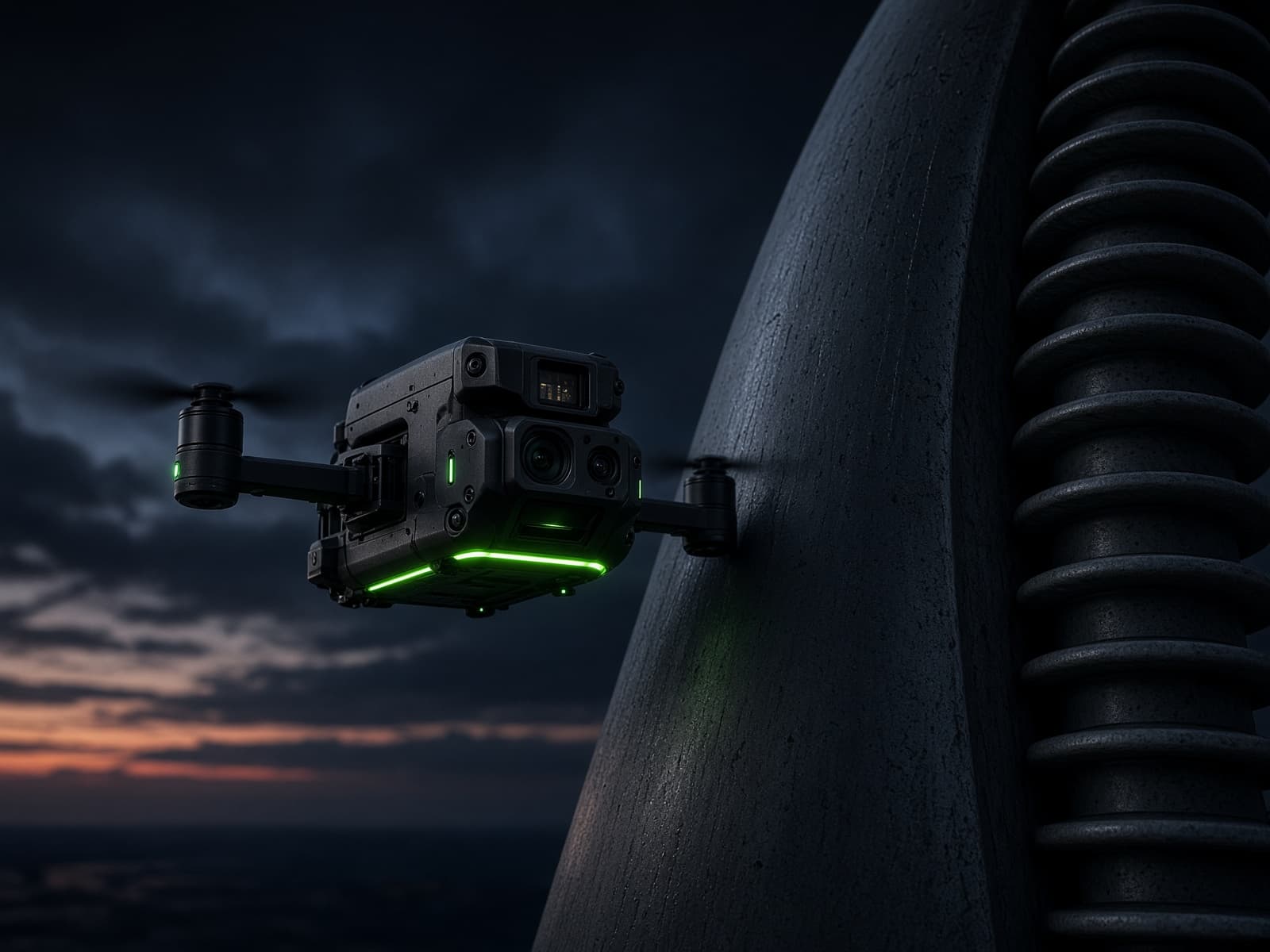
Drones and counter-drone systems that have to decide in flight or on a mast, without a link back to base.
01
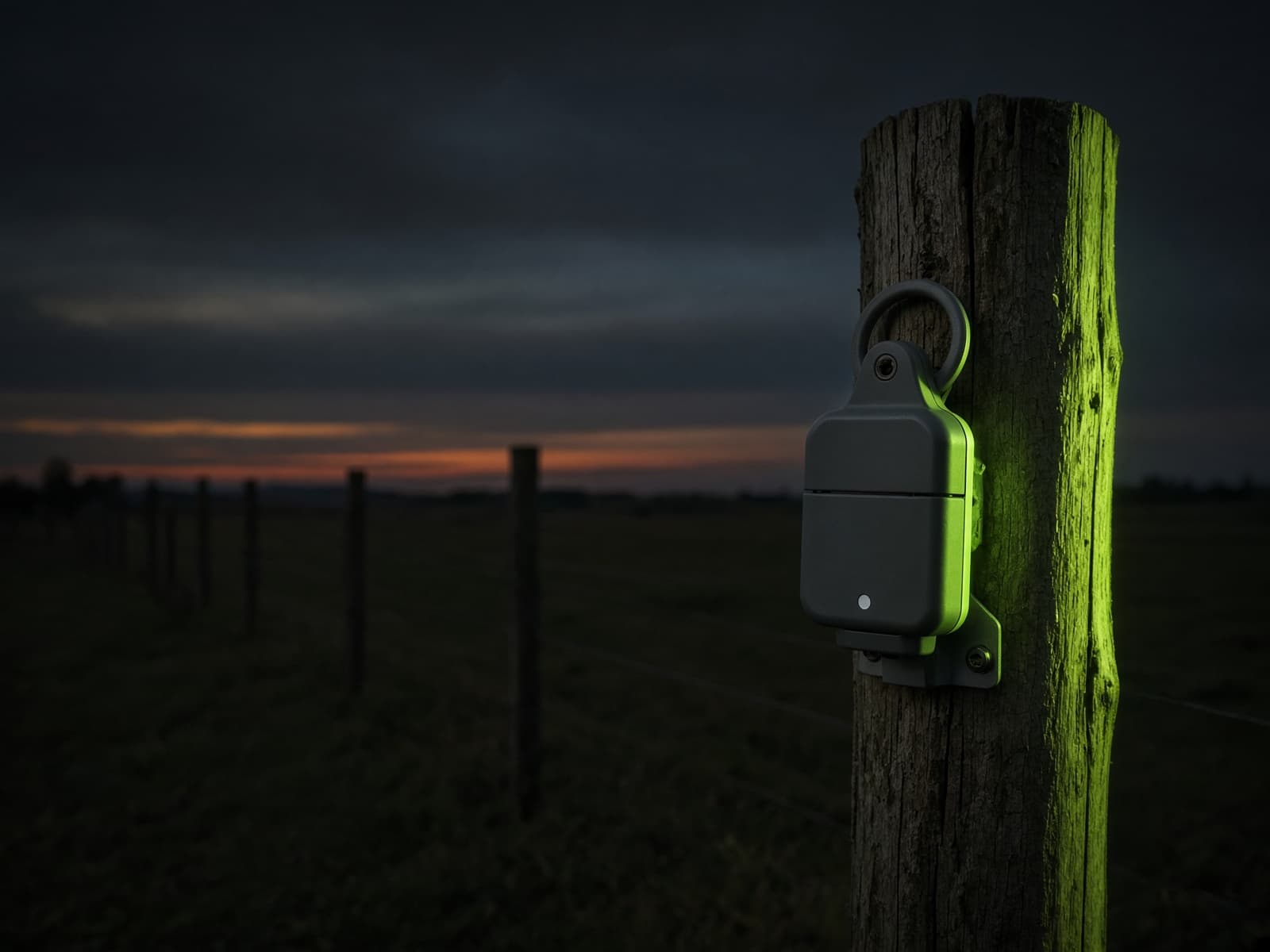
Sensors in fields, forests and remote sites that run on very little power and wake only when something happens.
02
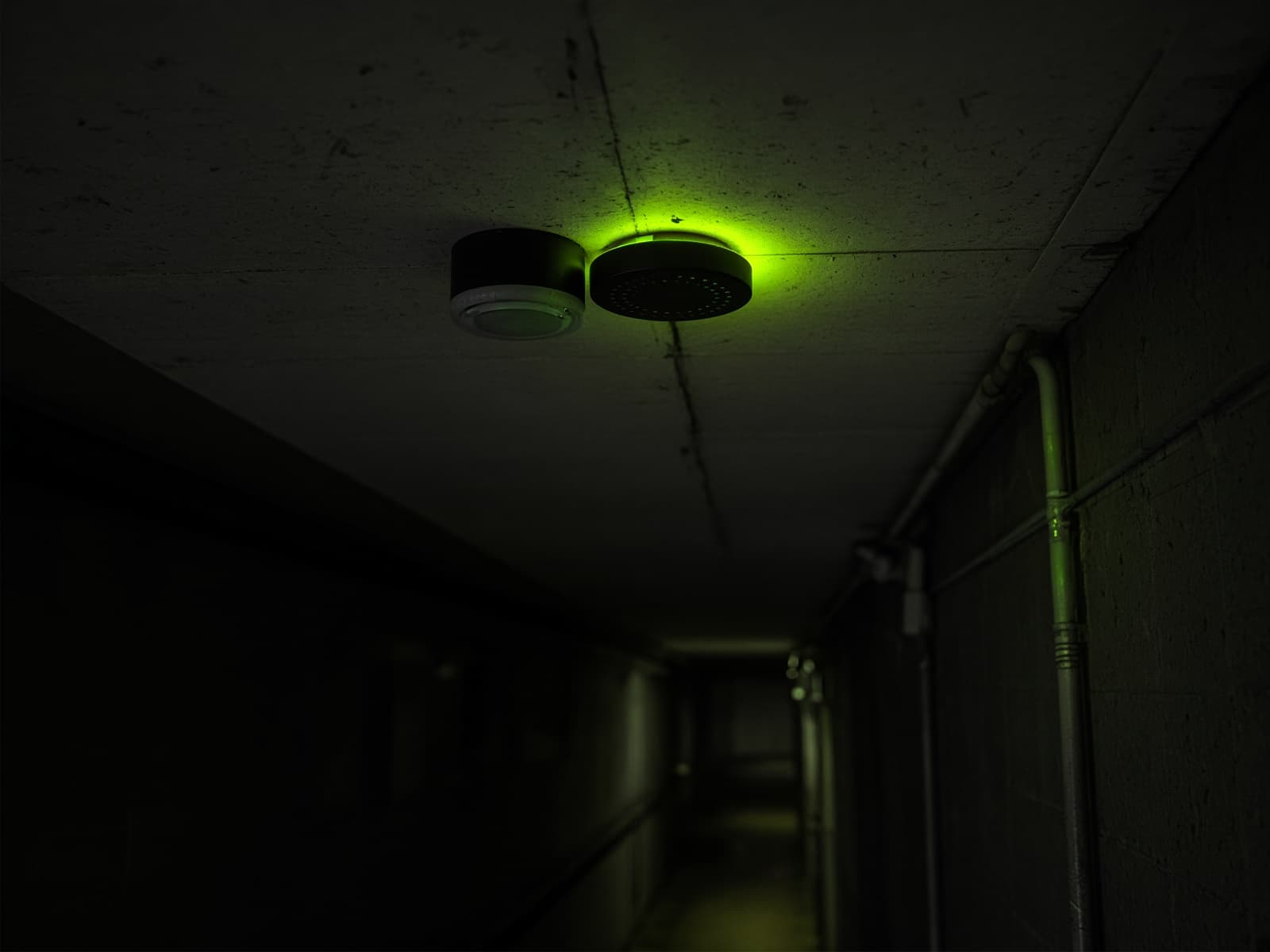
Sensors in buildings, bridges and other structures that report a condition instead of streaming raw data.
03

Wearables and health devices that keep personal data on the device and make a small battery last.
04

Machines and utility networks that listen for the early signs of a failure and warn the operator on the spot.
05
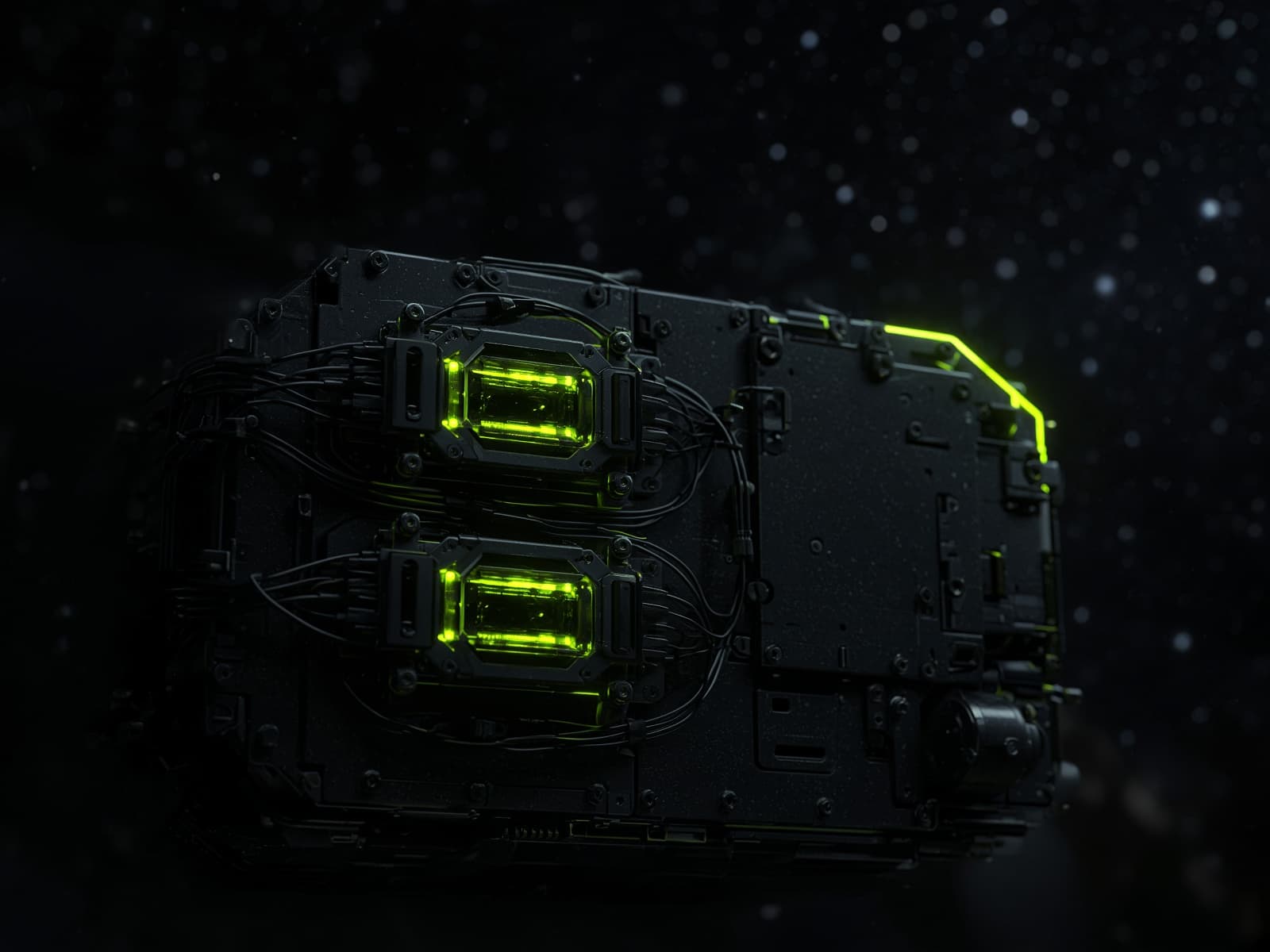
Satellites and payloads that check their own health and decide what to send down over a limited link.
06
Images are illustrations.
This table lists industries where a custom chip could help, with the sensors a machine in that industry typically carries.
03Use-case ideas
These are ideas to show the range, not customer projects. Swipe, or use the arrows or your keyboard, to see more.
01 / 12
01
A drone can make its own decisions in flight, even when the link back to base drops. It sends home the result, not hours of raw data.
02
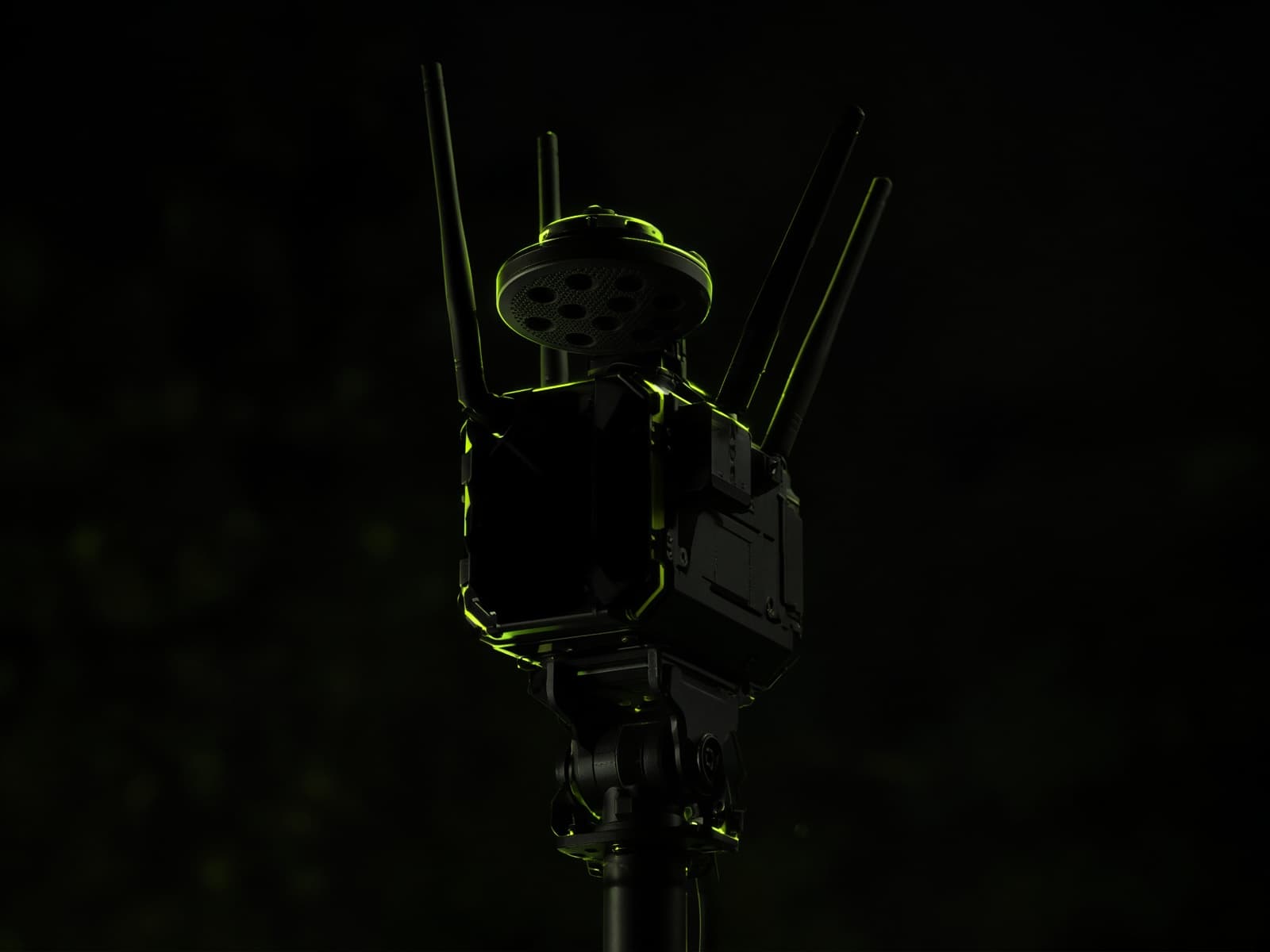
A small unit on a mast listens for drones with microphones and radio receivers. It sends a bearing to an operator instead of streaming raw data.

03
A sensor in a field or forest can sleep on very little power for months and wake only when something happens. It then decides on the spot whether to raise an alert.

04
A node on a tower can listen and sense heat around the clock. It raises the alarm itself, from where it stands.
05
A ceiling sensor can notice a leak or a room in use without recording the room. The building gets the alert and the people keep their privacy.

06
Sensors fixed to concrete or steel can listen for the sound of a crack forming. The structure reports its condition, not a stream of raw readings.
07
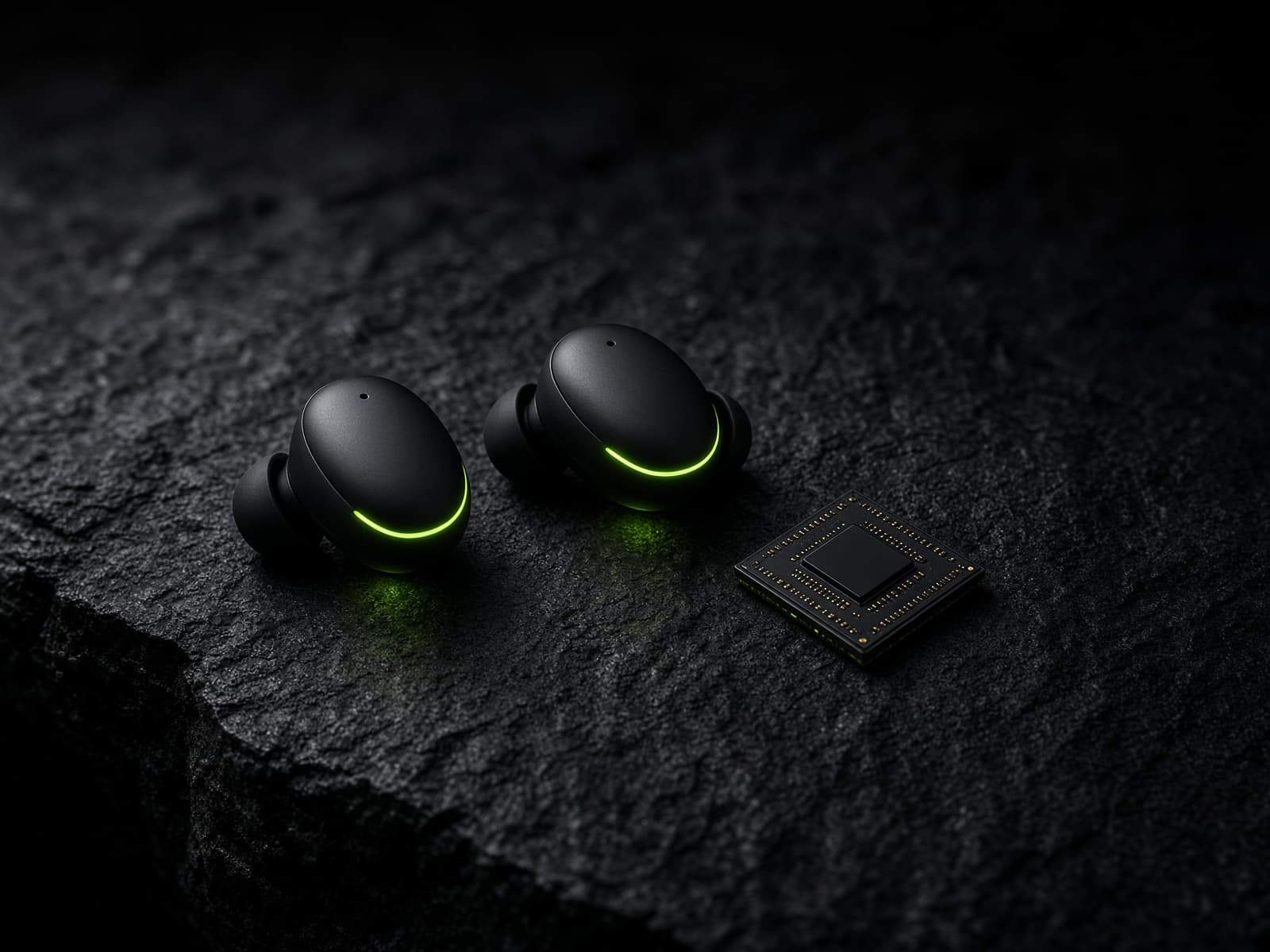
Earbuds and other wearables can run speech and sound models on the device. The battery lasts longer, and personal data stays with the wearer.
08
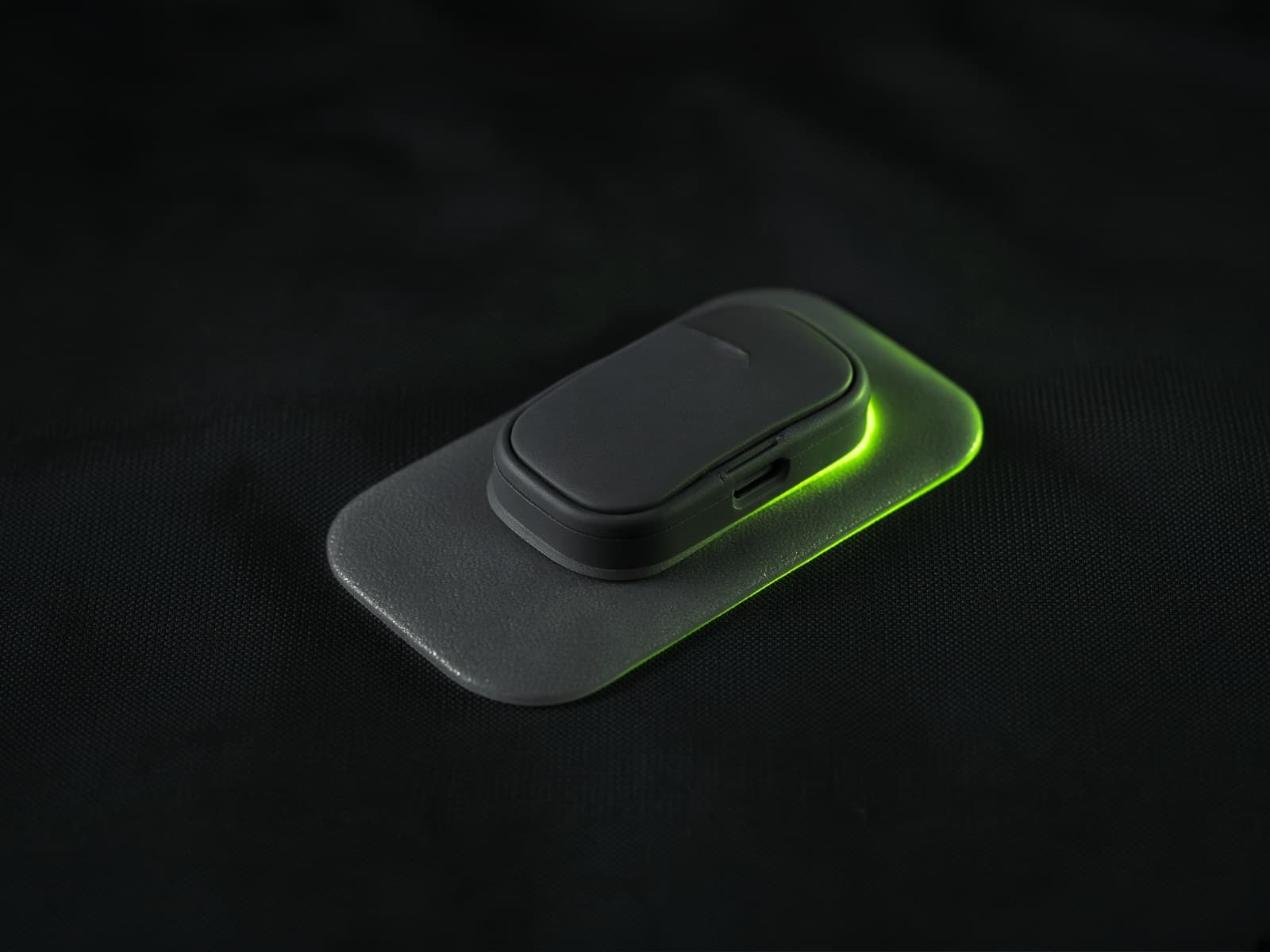
A patch can watch heart signals continuously and flag a problem on the device. The data does not have to travel to a cloud server to be checked.

09
A boat or buoy far from shore can listen under water and decide what it has found. It sends a short report over a slow link instead of raw audio.
10
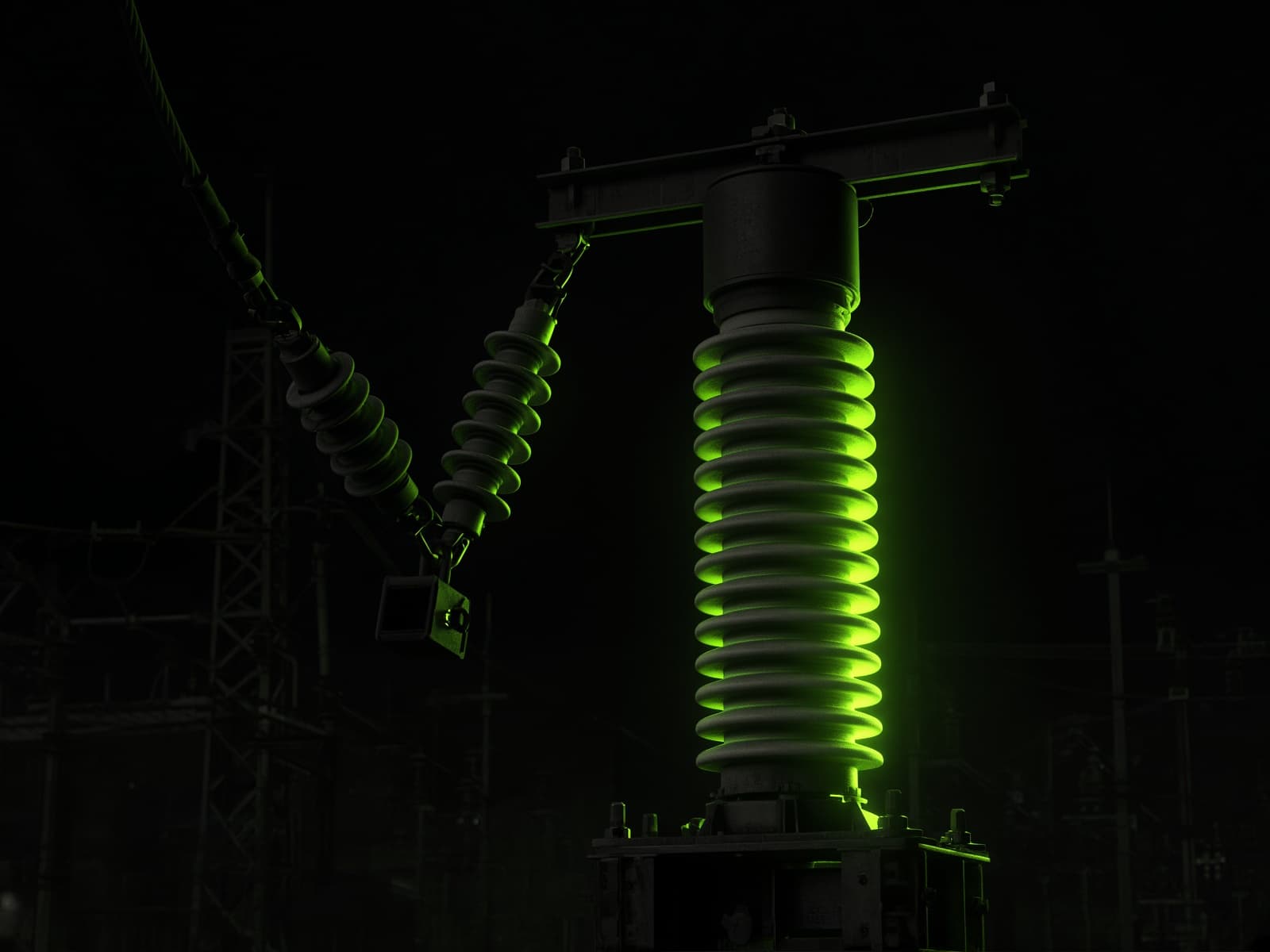
A sensor on a machine or a power line can pick up the change in sound or vibration that comes before a failure. It warns the operator before anything stops.
11
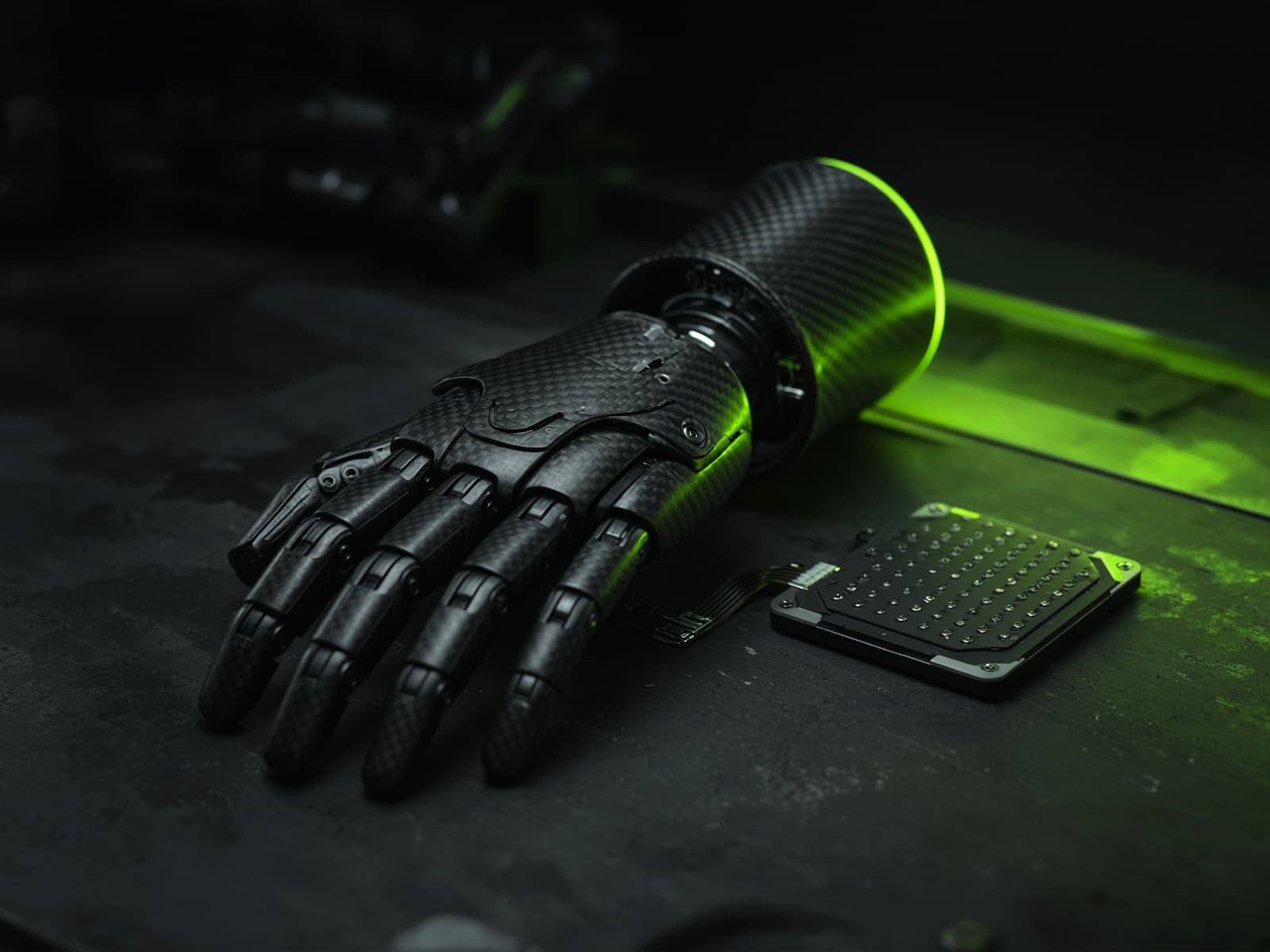
A robot gripper or a prosthetic hand can adjust its grip as it touches something. The control runs on the device, so it does not wait on a server.
12
A satellite can check its own health and sort its data on board. It sends down only what matters over a limited link.
Images are illustrations.
04Sensors
Browse the sensors we design for. Some connect directly to the chip. Some need extra electronics in front of it. A few produce so much raw data that the chip should only receive a short summary.
7 in this view
These sensors connect directly to the chip.
A thermal imager. It finds people, engines and vehicles by temperature.
A low-cost heat grid that spots hot areas.
Several microphones together. They find the direction of a sound, such as a drone or a vehicle.
A large microphone array for long watches. Sound can wake the rest of the board.
A motion sensor for flight and walking. It gives context to every other sensor.
A radio listener. It finds transmitters, drone controllers and jammers.
Several radio channels together, so the chip can tell which direction a signal came from.
05How we work together
We work with your engineering team from the first conversation to the finished chip. Each chip is designed for one job on one machine.
01
You tell us what the machine is, what it has to decide, and which sensors it has. Together we write a short specification of what the chip must send back.
02
We put a working board on your real machine. It collects data and makes the decision on the device, within the power and weight you have. You keep the data, and we learn exactly what the chip must do.
03
We design the chip to the specification and have it made. You own the chip.
06Questions
A mainstream AI chip is built to run many kinds of model for many kinds of customer. That flexibility costs power, space and money on every unit.
A custom chip is built for one job: your model, your sensors, your decision. Because it only does what that job needs, it can use less power, cost less per unit and take up less space once it is made in volume. Because it is designed to your specification, you own it, and you do not depend on another company's product plans.
A custom chip makes sense when the job is clear and you will build many units. The first two steps check that before the chip is designed.
The prototype board in step 2 settles the job on your real machine, with your data, before the chip design is frozen.
07Contact
Tell us what it is, what it has to decide, and which sensors it has, and we will start with step 1. If you invest in hardware companies and think this could help one of them, we would like to hear from you too.